What is Shale Gas?
Shale gas is a type of natural gas found trapped within shale formations — fine-grained sedimentary rocks that can be rich sources of petroleum and natural gas. When extracted responsibly, shale gas can be used for energy production, contributing to national energy security and economic growth.
South Africa has an estimated 390 trillion cubic feet (tcf) of technically recoverable shale gas embedded within the Karoo Basin (see Figure 1(a) below). However, these estimates are currently technically unproven, requiring detailed research to answer critical geological and environmental questions.
- The amount of economically recoverable gas trapped in the Karoo formations.
- Geo-environmental challenges related to rock structure, groundwater migration, and micro-seismic activity.
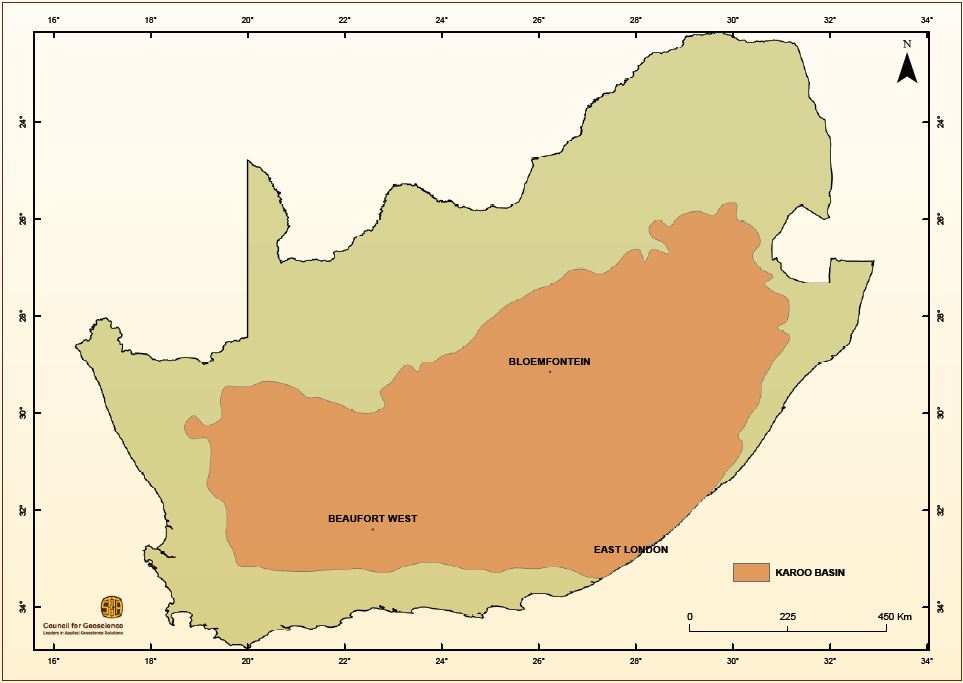
Figure 1(a): Map Showing the Karoo Basin
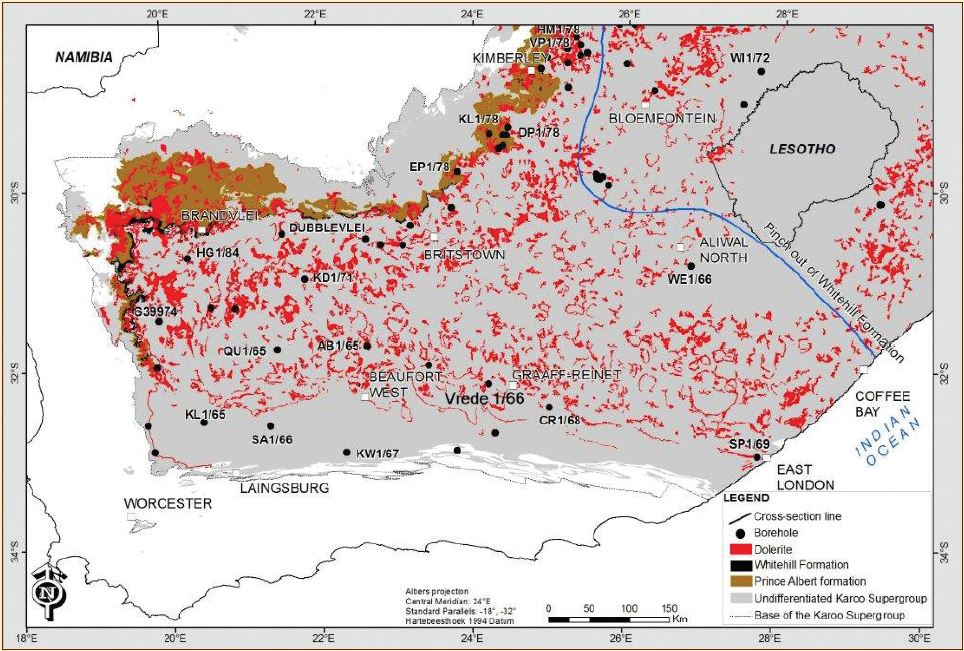
Figure 1(b): Dolerite Distribution in the Karoo Basin
Shale Gas Research Project at the Council for Geoscience (CGS)
The Council for Geoscience (CGS), in partnership with the Department of Mineral Resources and Energy (DMRE), has embarked on a comprehensive Shale Gas Research Project. This initiative seeks to uncover geological, environmental, and technical insights into shale gas potential in South Africa — particularly within the Karoo Basin.
The project not only advances the understanding of shale gas formations but also plays a critical role in developing scientific expertise and skills in this emerging energy field.
- Collect and review new geological information from the Karoo Basin.
- Define an environmental baseline to guide sustainable exploration.
- Assess the amount of recoverable gas in the Whitehill and Prince Albert formations.
- Study groundwater systems and contamination risks.
- Monitor potential seismic interferences and geo-environmental impacts.
The CGS Shale Gas Project will serve as a baseline study for future shale gas research and contribute to the review of Petroleum Exploration and Exploitation Regulations.
The project aligns with the National Environmental Management Act (NEMA) regulations to identify and address environmental gaps related to shale gas development. This framework ensures that exploration and extraction are conducted responsibly and sustainably, protecting both the environment and communities.
Media and Educational Resources
General Frequently Asked Questions
“Hydraulic fracturing”, generally referred to as “fracking”, involves injecting a mixture of water, chemicals and sand at high pressure into geological formations with low permeability to create fractures in order to allow natural gas to flow freely from the rock pores to production wells.
Natural gas is a fossil fuel formed when layers of buried plants and animals are exposed to intense heat and pressure over thousands of years. It is generally located deep underground in porous rock formations or more solid/tight rock formations such as shale and coal formations.
Fracturing a single well may consume between 1.6 to 24 megalitres of fluid (may include water), depending on the geology and depth of the target area. Use of fresh water may be further reduced by using brackish water, recycled wastewater, or other possible sources of fluids.
As part of the approval process, applicants must identify and assess all water sources and provide measures to prevent potential competition with other users.
Shale layers typically lie between 1 500 – 4 000 m below surface and are overlain by thick and tight geological formations that act as barriers to protect groundwater.
During fracturing, groundwater is protected by protective casing and cement barriers within the well-bore. Baseline water assessments are required before operations begin and continuous monitoring is conducted until closure.
Hydraulic fracturing fluid is typically made up of approximately 99.5% water and sand, and 0.5% additives.
Additives are commonly used in household products and help reduce toxic effects and replace harmful chemicals with non-toxic alternatives. Flowback water must be recycled, reused, or treated for disposal. Closed-loop systems are used to prevent surface contamination.
Compared with other energy sources, natural gas production is considered the cleanest energy source.
Draft regulations prohibit venting of natural gas and require operators to maximise resource recovery, thereby preventing atmospheric impacts.
Horizontal drilling and multi-well pads reduce land-use footprint compared to traditional oil and gas development.
Environmental assessments are required before approval. After operations, land must be rehabilitated to ensure future use is not compromised.
Download Resources